Part 3. Reading
From Food Scraps to a School Garden
Last spring, students at Greenhill Elementary noticed that the cafeteria threw away many fruit and vegetable scraps each day. Their science teacher explained that these scraps could be turned into compost instead of going into the trash. The students collected the scraps in special bins and mixed them with dry leaves. After several weeks, the mixture became dark, rich soil. They used it to start a small garden behind the library. By the end of the term, the students had grown lettuce, tomatoes, and herbs. The project reduced food waste and gave students a chance to study how plants grow.
Clever Octopuses
Octopuses may look very different from humans, but scientists have discovered that they are skilled problem-solvers. In laboratory studies, some octopuses have learned to open containers to reach food. In the ocean, they may carry shells or coconut halves and later use them as shelters. Octopuses can also change their color and skin pattern. This ability helps them hide from predators, but researchers believe it may also help them communicate. Scientists do not claim that octopuses think exactly as humans do. However, their behavior shows that they can learn from experience and use objects in their environment in useful ways.
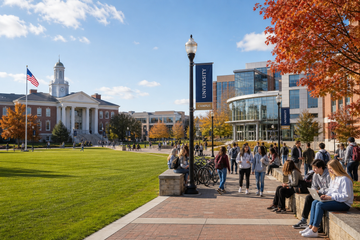 미국
미국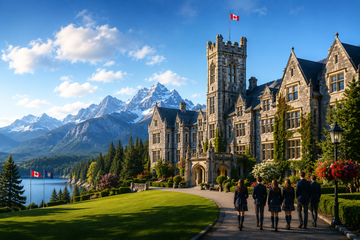 캐나다
캐나다 영국
영국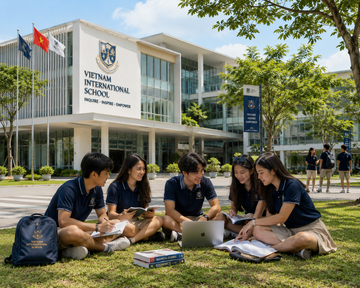 베트남
베트남 태국
태국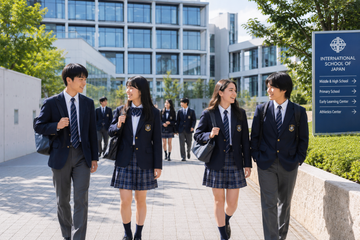 일본
일본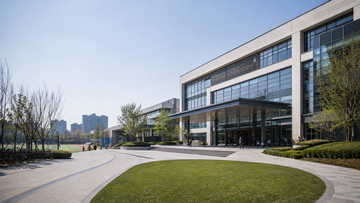 중국
중국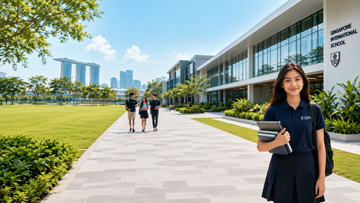 싱가폴
싱가폴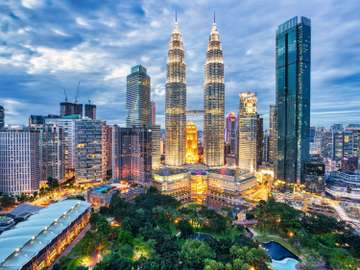 말레이시아
말레이시아 호주
호주 노스 야머스 아카데미 미국
  노위치 프리 아카데미 미국
  더 빌리지 스쿨 미국
  골든힐 교육청 캐나다
  랭리 교육청 캐나다
  버나비 교육청 캐나다
  길드하우스 영국
  다운센드 영국
  데본셔 하우스 영국
  브라이튼 칼리지 국제학교 베트남
  세인트폴 국제학교 베트남
  업핑엄 흥옌 베트남
  덜위치 칼리지 방콕 태국
  디프렙 방콕 태국
  럭비스쿨 태국 태국
  가든 국제학교 말레이시아
  넥서스 푸트라자야 말레이시아
  래플스 아메리칸 말레이시아
  AIS국제학교 싱가폴
  CIS국제학교 싱가폴
  DCIS 싱가폴
  럭비 스쿨 재팬 일본
  린덴홀 스쿨 일본
  메이토쿠 기주쿠 중고등학교 일본